

Energy Efficiency
Reduce your energy use
The cheapest energy is the kind you don't use!
1Turn off your lights/appliances
If you leave a room, be sure to turn off the lights. If you're not using the blender, unplug it. It sounds simple, but many people don't think twice about it!
2Don't waste water
Pumping water from the source through all the pipes to our faucets uses an enormous amount of energy. Try switching some of these small habits: 1) Don't let water run when you aren't using it, 2) Use water-saving faucet aerators, 3) Run the dishwasher when it's full, and 4) Do your laundry on the COLD cycle.
3Utilize your shades or blinds
In the summer when it's hot, shut your blinds or shades to block out the sun and keep your home naturally cooler. In the winter, open all of your blinds/shades to let the sun in and warm your home naturally.
4Use less energy from
4-9pm
Peak hours are when most people are using electricity, so utility companies charge more during this time since there is more strain on the grid. By using appliances outside of this time frame, you can not only save money on your utility bill, but you are using less "dirty" energy.
Home Energy Assessments
Getting an energy audit is a great way to get started. It will give you a clear picture of how you use energy, which appliances and systems use the most, and which ones will provide the "biggest bang for the buck" when you replace them. Start with low-cost, high-impact solutions and plan for bigger improvements. There are many ways to do this, from DIY to hiring a professional.
DIY Home Energy Assessment
Weatherization
Weatherization helps you save money by saving energy. It improves the comfort of your home and reduces temperature fluctuations during different seasons. Home weatherization includes sealing air leaks, adding insulation, and improving window efficiency.
Air Sealing
Insulation
Windows
Additional ways to save
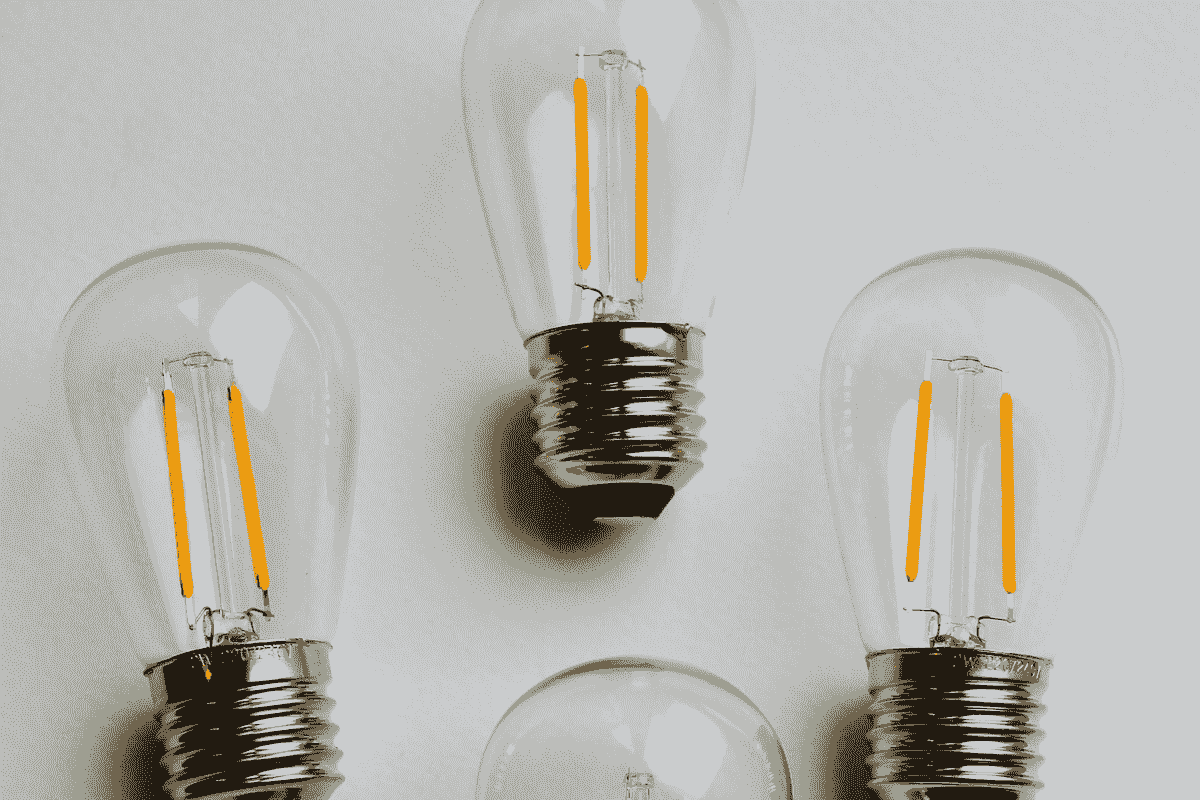
Lighting
Switching to LED lighting is the easiest and quickest way to make your home more energy efficient. LED bulbs use 75-80% less energy than traditional incandescent bulbs and can last up to 10 years. They are also cool to the touch, unlike incandescent bulbs that emit heat (which accounts for 90% of their energy!), which makes them safer to use. LEDs come in many styles, varying in brightness, color, and appearance so you can still mimic the lighting of older bulbs, but use a fraction of the energy.
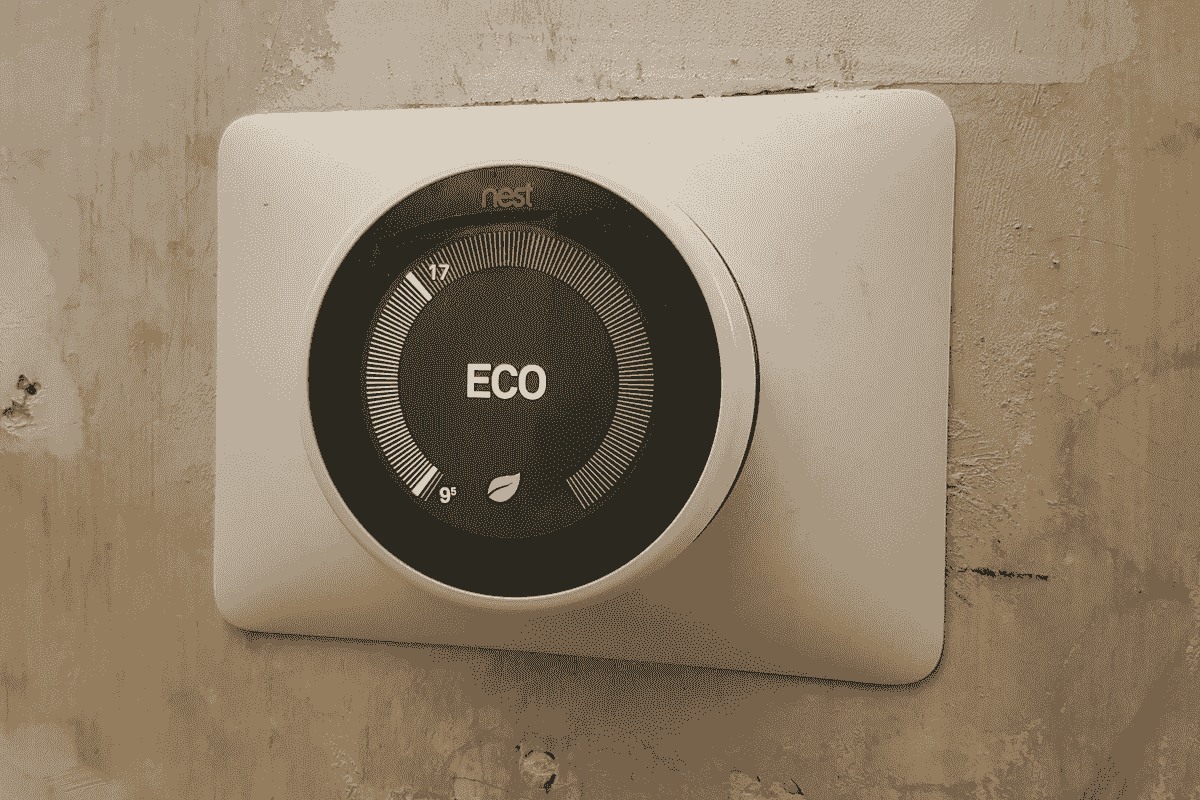
Smart Thermostats
A smart thermostat is a Wi-Fi enabled device that automatically adjusts heating and cooling temperature settings for optimal performance. Smart thermostats learn your temperature preferences and establish a schedule that automatically adjusts to energy-saving temperatures when you are asleep or away. They also allow you to control your home's heating and cooling remotely through a smartphone or tablet and provide data and insight on home energy use that you can track and manage.
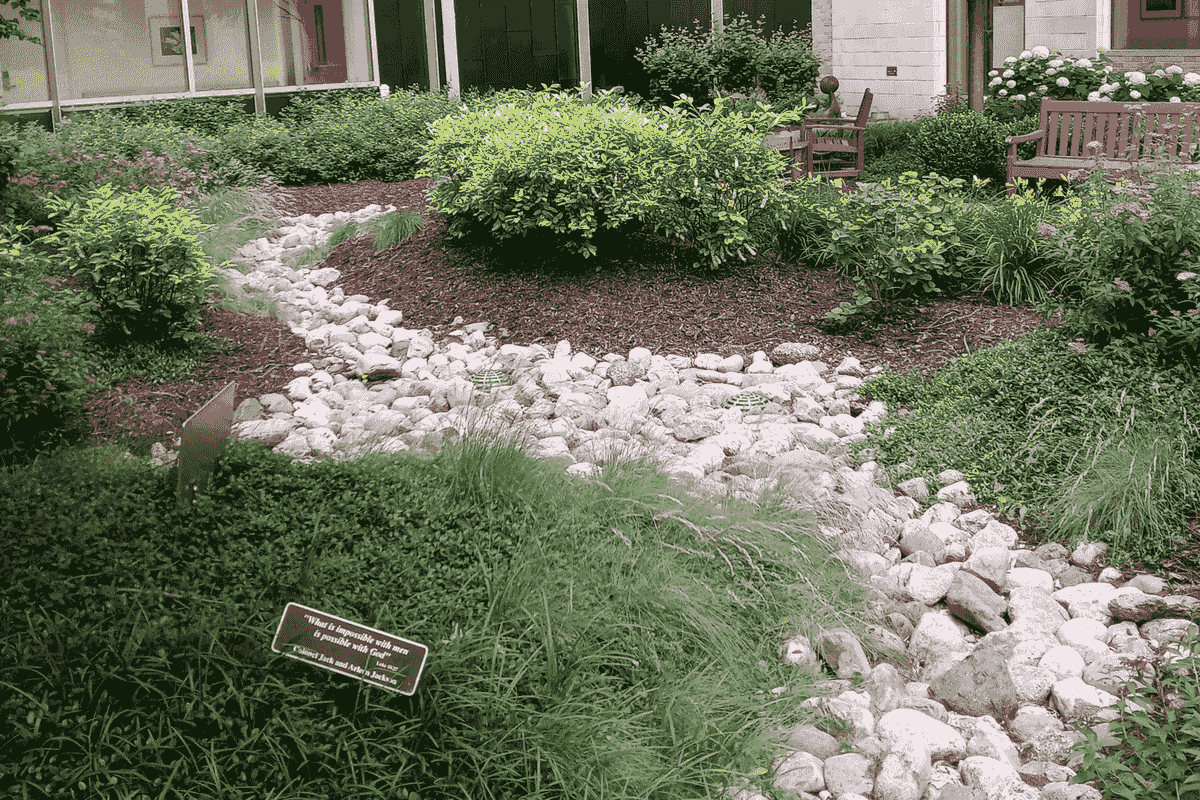
Landscaping
Well-designed landscaping can also make your home more energy efficient through shade, windbreaks, and water conservation. Trees and shrubs can shade your roof, walls, and windows, cool the air around your home, and provide wind cover. Planting species that are native to the area will usually use less water and supports local biodiversity - a win-win! Watering in the early morning when evaporation is low helps conserve water and energy.
Resources
The Energy Saver guide offers tips for saving money and energy at home and on the road. By following just a few of the simple tips in the Energy Saver guide, you can make your home more comfortable and easier to heat and cool--while you save money. Some of the tips are simple to do. Others require more effort and investment, but promise big savings over the years
Energy Upgrade California® is a statewide initiative committed to helping Californians be more energy efficient, utilize more sustainable natural resources, reduce demand on the energy grid and make informed choices about their energy use at home and at work—all of which goes a long way for California. Their website offers tips for saving energy during every season, how to make your home more energy efficient, and provides resources on home energy assessments, getting solar, and financing options.
Bay Area SunShares is a program of Act Now Bay Area, a 501(c)3 non-profit, EIN 99-1450161
© 2026 Act Now Bay Area, all rights reserved


